

Why Does Everything Hurt Now?
Written by: Lindsay Little, MS — Holistic Health Coach
Estimated read time: 5 minutes
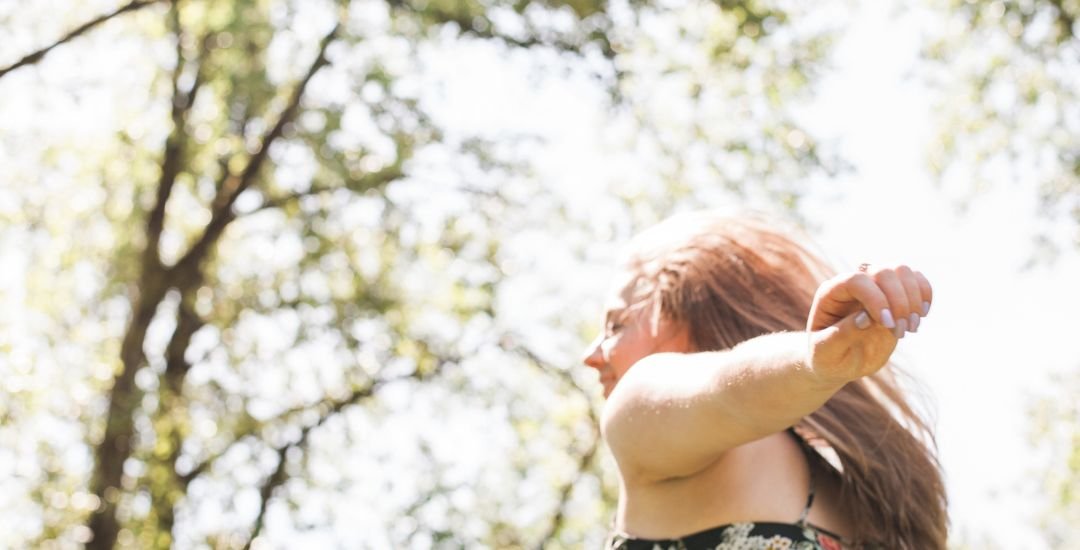
There comes a point when your body starts introducing you to body parts you didn't even know you had.
A tiny muscle near your hip suddenly hurts. Your knee is annoyed for no obvious reason. You unload the dishwasher and somehow your back has opinions about it for the next two days.
Sometimes there isn't even a good story. You didn't run a marathon. You didn't fall off a ladder. You didn't attempt some questionable TikTok dance with your kiddo.
You basically looked at a tree wrong and now your big toe hurts.
If you've found yourself wondering, “Why does everything hurt now?” you are definitely not the only one.
These random aches can be frustrating, but they can also mess with your head. One day you're living your normal life, and the next you're making noises when you stand up and wondering when, exactly, you turned 80.
That's when it's tempting to start pulling back. Maybe I shouldn't lift that heavy. Maybe I should skip class today. Maybe I need to take it easier now. Maybe this is just what getting older feels like.
But for most of us, that's exactly the wrong lesson to take from it.
Your Body Isn't Falling Apart
Let's get one important thing out of the way first: pain that is severe, persistent, getting worse, or connected to an injury deserves attention. There are absolutely times when slowing down, modifying exercise, seeing your doctor, or working with a physical therapist is the smart move.
But we're talking about something different here.
We're talking about the little aches, stiffness, and “where the heck did THAT come from?” pains that seem to become more common as the years go by.
Our bodies do change as we get older. We gradually lose muscle if we aren't actively working to maintain it. Recovery can change. Old injuries, years of sitting, repetitive movements, and simply living life can start making themselves known.
That doesn't mean your body is broken.
In fact, those little reminders may be a very good reason to double down on taking care of it.
Sometimes, Your Hormones Are Part of the Story
There's another reason those random aches can start showing up more often for women: hormones.
As we get closer to menopause, estrogen doesn't simply drop in a nice, predictable line. It can fluctuate quite a bit. And estrogen does a lot more than affect your period. It also plays an important role in your muscles, bones, joints, and connective tissues.
That means some women notice that their knees ache more, their hips feel stiffer, or their bodies simply feel more sore during certain parts of their cycle. If you've ever thought, “Why does my knee suddenly hurt this week when it was perfectly fine last week?” it may be worth paying attention to where you are in your cycle.
Progesterone changes during these years too. It has effects on the nervous system that can influence how calm, rested, and sensitive to discomfort you feel. And progesterone often becomes less predictable as ovulation becomes less consistent on the road to menopause.
This doesn't mean every aching knee is a hormone problem. Please don't blame estrogen the next time you trip over the dog or stub your toe on the coffeetable.
But patterns are useful information.
If you notice that the same aches, stiffness, or discomfort tend to show up during certain parts of your cycle, start tracking them. You don't need a complicated spreadsheet. Make a quick note on your calendar or in your phone and see what happens over a few months.
If a pattern starts to emerge, that's useful information to bring to a qualified healthcare practitioner. It may be worth taking a closer look at what's happening with your hormones rather than assuming you're simply “getting old.”
And most importantly, hormone changes aren't a reason to throw in the towel on movement and strength.
They're another reason to take supporting your body seriously.
The Worst Thing You Can Do Is Stop Moving
Pain has a sneaky way of making us cautious.
Your knee feels weird, so you move less. Your back is stiff, so you avoid lifting things. Your hip aches after exercise, so you decide maybe your “hard workout days” are behind you.
There's a difference between giving an injury the care it needs and slowly becoming afraid to use your body.
Our bodies are designed to move. Regular movement keeps muscles working and joints moving, while strength training helps build the muscle your body needs to handle the demands of real life.
You aren't strength training just so you can lift heavier dumbbells at Vibe Fitness. You're training so you can carry groceries, haul luggage through an airport, climb stairs, work in the garden, get off the floor, shovel the driveway, chase grandkiddos, and keep doing all the normal things you currently take for granted.
The goal isn't to protect your body from life. It's to build a body that's ready for it.
Muscle Becomes More Important, Not Less
One of the biggest mistakes women can make when their bodies start feeling different is assuming it's time to back off strength training.
In reality, this is when strength becomes even more valuable.
We naturally begin losing muscle as we get older, especially if we aren't giving our bodies a reason to keep it. Over time, that can make everyday life harder and affect strength, balance, and independence.
The good news? You can build muscle.
Strength training isn't just about changing how your body looks. Every squat, lunge, row, press, and deadlift is an investment in the future version of you who still wants to carry her own groceries, get off the floor, travel, garden, and do things for herself.
Being afraid of ever feeling sore isn't the goal.
Being strong enough for your life is.
Your Workout Is Only Part of the Equation
Showing up for your workouts matters, but your body also needs the building materials to recover and stay strong.
Protein matters. Your body uses amino acids from protein to repair and build muscle, so consistently eating enough becomes especially important when maintaining muscle is the goal.
Plants matter too. Fruits, vegetables, beans, whole grains, nuts, and seeds provide fiber along with vitamins, minerals, and plant compounds that support overall health.
And supplements? They can absolutely have a place when they're filling an actual need.
But “my knee hurts, so I ordered the supplement TikTok told me everyone over 40 needs” isn't exactly personalized healthcare.
Supplement smart. Test when appropriate. Pay attention to what your body needs rather than throwing everything from the wellness aisle at it and hoping something sticks.
Think of the Ache as a Check-Engine Light
Maybe those random little aches aren't a sign that it's time to give up.
Maybe they're a check-engine light.
Not the flashing red PULL OVER IMMEDIATELY kind. That's when we call the doctor.
I'm talking about the little reminder that makes you check in with how well you've been taking care of the machine.
Are you moving regularly? Strength training? Eating enough protein and fiber? Sleeping and recovering? Giving your body what it needs?
That's a much more useful response than deciding your best physical years are behind you.
Because getting older is happening either way.
The question is how you're going to prepare for it.
Don't Train Like You're 80 Because You're Afraid of Feeling 80
There's something a little ironic about responding to the fear of getting older by doing less and less of the very things that help us stay capable.
Your body may not feel exactly the way it did at 25. That's okay.
The goal isn't to make it 25 again. The goal is to support the body you have now so it can keep carrying you through the life you want to live.
Move it. Challenge your muscles. Feed them. Sleep. Recover. Pay attention to patterns. And when something genuinely hurts or doesn't seem right, get it checked out.
But don't let every little creak convince you it's time to sit on the sidelines.
The Bottom Line
Yes, you might notice more random aches than you used to. Your knee may occasionally throw a temper tantrum about the stairs. Your hip might introduce you to a muscle you didn't know existed. And every once in a while, you may wake up wondering what athletic event you competed in while you were sleeping.
That doesn't mean you're falling apart.
It means taking care of your body matters more now—not less.
So instead of treating every little ache as a reason to slow down, use it as a reminder to keep investing in yourself. Keep moving. Keep getting stronger. Keep fueling your body. And pay attention when it's trying to tell you something.
Because the goal isn't to avoid getting older.
It's to get older without giving up all the things you still want your body to be able to do.
Hey there! I’m Lindsay — a Holistic Health Coach with a Master’s Degree in Holistic Nutrition and a specialty in gut health. In my virtual practice, Full Bloom Acres Wellness, I help busy women over 35 decode their symptoms so they can feel like themselves again. Ready to decode yours? Click here to get started.
If you want more support on your wellness journey, you can find me on Instagram at @fullbloomacres or visit me at www.fullbloomacres.com. I’d love to connect!
Disclaimer: This information is for educational and informational use only and is not meant to diagnose or treat any disease or illness. Please work with a qualified healthcare practitioner before making dietary or lifestyle changes.